Beta Amylase for High-Maltose Syrup Production
Exo-acting beta amylase converts alpha amylase–liquefied starch into high-maltose syrup (50–70% maltose) for confectionery, ice cream, beverages, and pharmaceutical excipients.
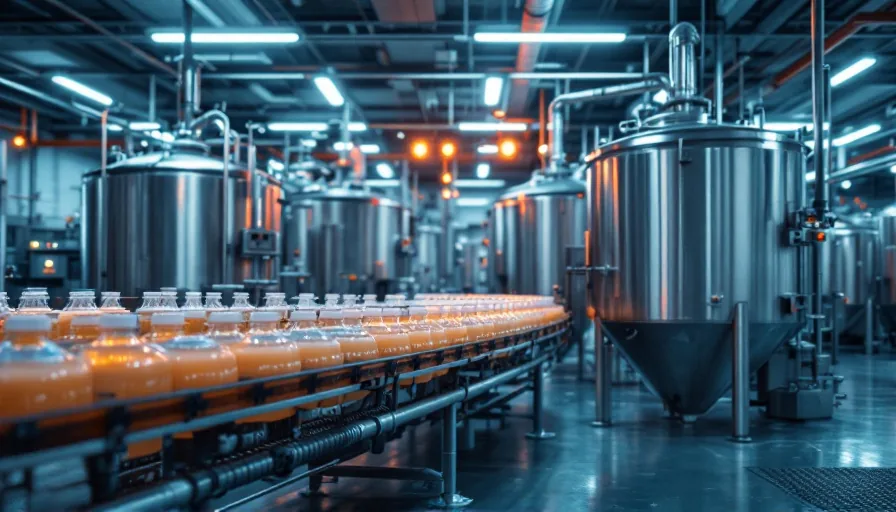
High-maltose corn syrup (HMCS) and high-maltose tapioca syrup are produced in two enzymatic stages: liquefaction with alpha amylase, followed by saccharification with beta amylase. Where glucose syrup uses glucoamylase in the saccharification step (to produce >90% glucose), maltose syrup uses beta amylase — which produces maltose as its primary product — to generate the maltose-dominant sugar profile sought by confectionery, dairy, frozen dessert, and bakery buyers.
Beta amylase for maltose syrup production operates on the liquefied starch dextrin stream (DE 10–15 from the alpha amylase liquefaction step) at pH 4.5–6.0 and 55–65°C for a saccharification hold of 12–48 hours, depending on target maltose content. Typical commercial high-maltose syrup contains 50–70% maltose, 5–15% glucose, and 15–30% higher dextrins on a dry solids basis. Very high-maltose syrups (>70% maltose) can be produced by adding pullulanase (a debranching enzyme) alongside beta amylase, which opens the α-1,6 branch points in amylopectin that beta amylase cannot cleave.
The commercial value of high-maltose syrup versus glucose syrup lies in its distinctive properties: maltose is less sweet than glucose (approximately 30–40% relative to sucrose = 100), has lower hygroscopicity, and exhibits lower osmotic pressure. These properties make high-maltose syrup particularly valuable in hard candy and confectionery (where low hygroscopicity prevents stickiness), in ice cream and frozen desserts (where lower freezing point depression than glucose improves texture), and in beer and beverage applications (where moderate sweetness and fermentability are needed).
For syrup plant procurement teams, beta amylase is evaluated on activity (U/g), pH and temperature stability across the saccharification hold time, lot-to-lot consistency, and food-grade documentation. We supply COA, TDS, ISO 9001, HALAL, KOSHER, and food-grade certificates per lot. MOQ 25 kg; bulk drum and IBC pricing for continuous syrup operations.
Standard High-Maltose Syrup (50–60% Maltose)
Standard HMCS at 50–60% maltose is produced from corn starch liquefact (DE 12–14) by saccharification with beta amylase at pH 5.0–5.5 and 55–60°C for 24–36 hours. Enzyme dosage is 0.5–1.5 kg per tonne of dry starch. This product is the workhorse maltose syrup grade for bakery glucose syrups, confectionery production, and brewing adjunct applications. After saccharification, the syrup is filtered and evaporated to 70–80% dry solids for commercial packaging and sale.
High-Maltose Syrup for Confectionery and Hard Candy
Confectionery manufacturers require maltose syrup with low hygroscopicity and good high-temperature stability for hard candy cooking at 150–160°C. Beta amylase–produced maltose syrup at 60–70% maltose has lower equilibrium relative humidity than glucose syrup, reducing hard candy stickiness and improving shelf life. Dosage of 1.0–2.0 kg/t dry starch with a 36–48 hour saccharification hold at 55°C achieves the high-maltose specification required for premium confectionery applications.
Very High-Maltose Syrup with Pullulanase
For ultra-high-maltose syrups (>75% maltose) used in pharmaceutical excipients, specialty brewing, and premium food ingredients, beta amylase is combined with pullulanase (1,6-alpha-glucan-6-glucanohydrolase). Pullulanase debranches the α-1,6 linkages in amylopectin that beta amylase cannot cleave, exposing additional chain ends for beta amylase to produce more maltose. Combined enzyme dosage (beta amylase 1.5–2.5 kg/t + pullulanase 0.3–0.6 kg/t dry starch) with a 48–72 hour saccharification hold achieves >80% maltose in the dry solids.
Tapioca High-Maltose Syrup
Southeast Asian syrup plants using tapioca starch produce lighter-coloured, cleaner-tasting maltose syrup compared to corn-based product, valued in premium confectionery and pharmaceutical markets. Tapioca liquefact (DE 12–14) saccharified with beta amylase at pH 4.8–5.2 and 57–60°C for 24–36 hours achieves 55–65% maltose. The lower gelatinisation temperature of tapioca starch requires careful liquefaction staging, but the resulting maltose syrup has superior colour (lower ICUMSA) and is favoured for clear candy and transparent gel applications.
| Parameter | Value |
| Activity range | 50,000 – 150,000 U/g (multiple grades) |
| Optimal pH | 4.5 – 6.0 |
| Optimal temperature | 55°C – 65°C |
| Form | White to light yellow powder |
| Shelf life | 12 months (sealed, cool, dry place) |
| Packaging | 25 kg fiber drums |
Frequently Asked Questions
What maltose percentage can beta amylase achieve in syrup production?
Beta amylase alone on corn or tapioca liquefact typically achieves 55–65% maltose on a dry solids basis. The limit of beta amylase saccharification is set by the enzyme's inability to bypass α-1,6 branch points in amylopectin — the branches stop the exo-acting enzyme in its tracks. Adding pullulanase alongside beta amylase removes these branches and allows the enzyme to continue producing maltose, reaching 70–80% or higher. The practical upper limit for standard beta amylase without pullulanase is approximately 65–68% maltose.
How long does the beta amylase saccharification hold take?
Saccharification time depends on enzyme dosage, temperature, and target maltose level. At 55–60°C and pH 5.0–5.5 with dosage of 0.5–1.5 kg/t dry starch, most of the maltose production occurs within 24–36 hours. Extending to 48 hours with slightly higher dosage pushes maltose content closer to the enzyme's practical maximum. Higher temperatures (60–65°C) accelerate conversion but may reduce the final maximum maltose level slightly due to the lower enzyme stability at the upper end of the temperature range. Your process residency time and hold tank volume determine practical saccharification duration.
Why is high-maltose syrup preferred over glucose syrup in confectionery?
Glucose syrup is hygroscopic — it absorbs moisture from the environment — which limits its use in applications where moisture pickup causes stickiness or recrystallisation. Maltose syrup has approximately 20–30% lower hygroscopicity than equivalent-DE glucose syrup, making it significantly better for hard candy, toffee, and high-boiled sugar products where shelf life and surface quality are critical. Maltose also has lower osmotic pressure and a lower freezing point depression than glucose, which improves texture and mouthfeel in frozen desserts and ice cream formulations.
What is the enzyme dosage for high-maltose syrup production?
Standard dosage for 55–65% maltose syrup is 0.5–1.5 kg beta amylase per tonne of dry starch solids, added to the liquefact stream after cooling to 55–60°C and pH adjustment to 5.0–5.5. For very high-maltose syrup (>70% maltose), dose increases to 1.5–2.5 kg/t in combination with pullulanase at 0.3–0.6 kg/t. Final dosage should be calibrated against your specific liquefact DE, starch source, and target maltose level through saccharification trials before plant-scale production. We can provide dosage guidance based on your starch type and syrup specification.
Request Beta Amylase for Your Syrup Plant
Provide your application and required volume. Receive a free sample, COA, and pricing within 24 hours.
Request a Quote